Brazil Chooses Not to React in Anger, Sees Unexpected Results
A few months ago, a driver was on a crowded highway with his wife and son. Traffic was barely moving. Vehicles were inching forward, one small gap at a time, with the usual impatience hanging in the air. Suddenly, there was a loud bang. It sounded like something had burst. For a second, the driver
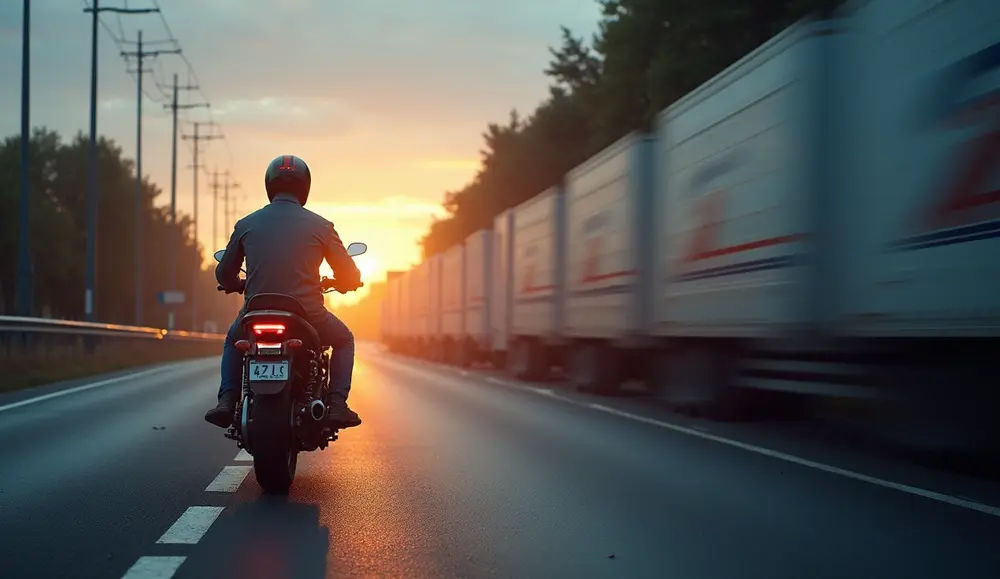
A few months ago, a driver was on a crowded highway with his wife and son. Traffic was barely moving. Vehicles were inching forward, one small gap at a time, with the usual impatience hanging in the air.
Suddenly, there was a loud bang. It sounded like something had burst. For a second, the driver did not understand what had happened. Then he realized a motorcyclist trying to squeeze through the narrow space between cars had hit them. The side bar of the motorcycle had struck the side of the car.
The driver felt a surge of anger. His first thought was to get out of the car and yell at the motorcyclist. His family was in the car. The situation was tense. But instead of reacting immediately, he paused. He took a breath. In that brief moment, he chose not to react in anger.
He looked at the motorcyclist, who appeared shaken but unhurt. The driver checked on his wife and son. They were fine. The car had a small dent, but nothing serious. The driver realized that getting angry would not fix anything. It would only make the situation worse.
He rolled down his window and asked the motorcyclist if he was okay. The motorcyclist apologized. The driver nodded and said it was fine. They exchanged information, but the driver decided not to file a claim. The damage was minor. The motorcyclist thanked him and rode off.
The driver later reflected on the moment. He thought about Viktor Frankl’s words: “Between stimulus and response there is a space. In that space is our power to choose our response.” In that space, he chose calm over anger. He chose understanding over conflict.
This story shows how a simple pause can change the outcome of a stressful situation. Anger often leads to regret. Choosing not to react in anger can prevent arguments and even accidents. It can also set a good example for others, especially children who are watching how adults handle frustration.
The driver said he felt better for not losing his temper. His family saw that problems can be solved without shouting. The motorcyclist likely left feeling relieved instead of attacked. This small choice had a ripple effect that made the rest of the day better for everyone involved.
In daily life, similar moments happen all the time. A driver cuts someone off. A cashier is slow. A coworker says something rude. In each case, there is a chance to pause and choose a response. That choice can make the difference between a bad day and a manageable one.
The experience on the highway taught the driver a lesson he now carries with him. He tries to remember that space between stimulus and response. It is not always easy, but it is always possible. And each time he succeeds, he feels more in control of his own actions and emotions.